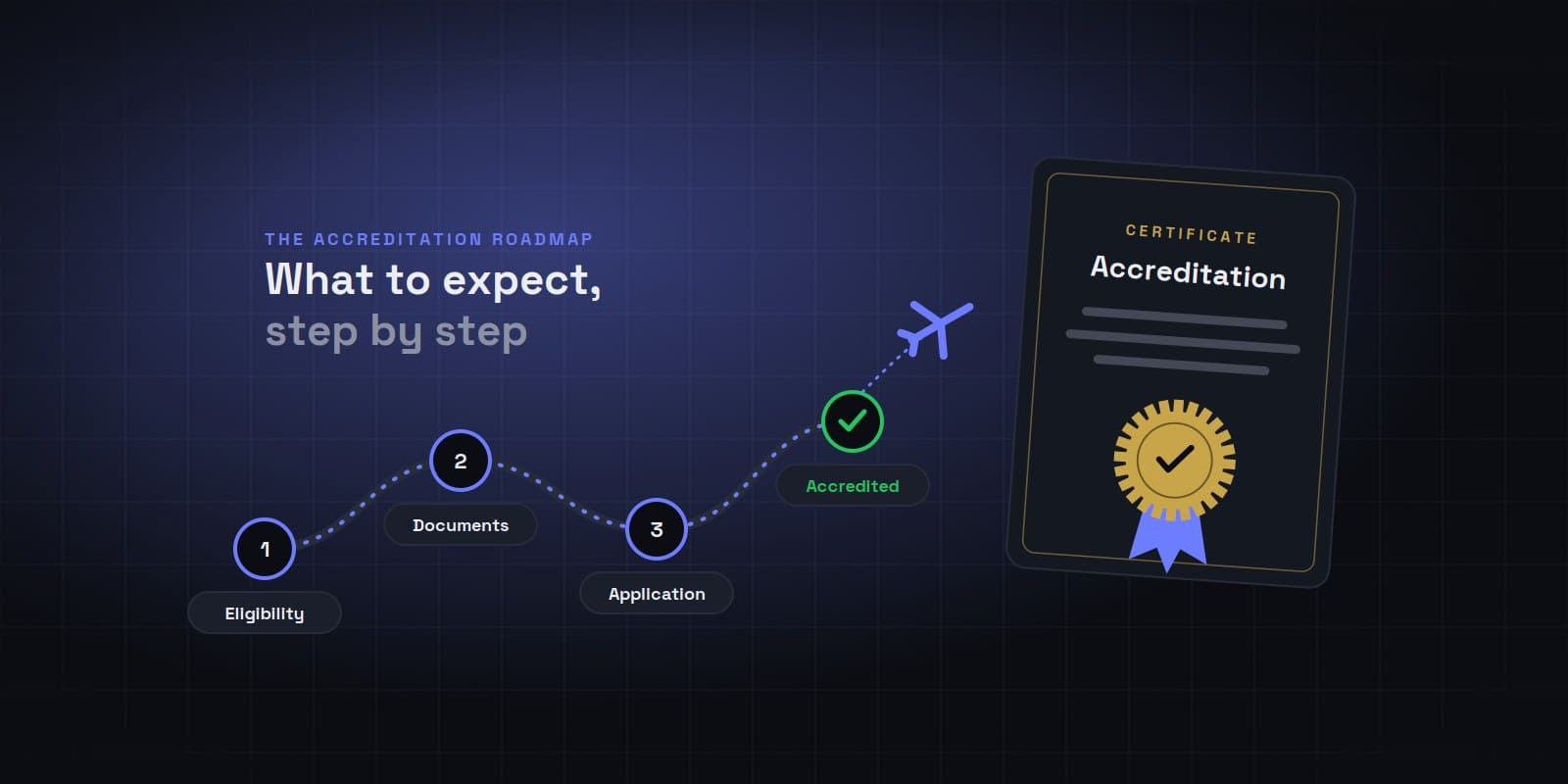
Getting IATA accredited is one of those processes that looks simple from the outside and turns into a paperwork maze the moment you start. Financial guarantees, staff qualification requirements, technology standards, and a review process that doesn't move quickly. Most travel agencies trying to do it alone spend months just figuring out what's actually required.
The financial side trips up the most people. IATA has specific bonding and guarantee requirements depending on your market and sales volume, and getting the structure wrong at the application stage means delays while you redo paperwork. This is usually the first place proper consulting pays for itself.
The second common blocker is technology. IATA increasingly expects agencies to have booking and ticketing systems that meet its standards, which is where a lot of smaller agencies fall short, not because they can't afford it, but because they don't know which systems actually qualify or how to integrate them.
The third is simply the review timeline. Applications can stall for weeks over small formatting or documentation issues that a first-time applicant wouldn't know to avoid.
None of this makes accreditation genuinely hard, it makes it slow and easy to get wrong without someone who's been through it before. That's the entire point of pairing accreditation consulting with the technology setup: the guidance to get the application right the first time, and the systems in place so you're not scrambling to meet the technical requirements after you're already approved.
If you're a travel agency considering accreditation, the technology and the paperwork are really one project, not two, and treating them separately is usually where the delays come from.
Written by
Team Techlonicx
Technology, operations & growth